



Contents
- 1 World Temperatures Reach Record Highs
- 2 The Domino Effect of Unchecked Warming
- 3 Human Health at Growing Risk
- 4 Biodiversity and Natural Systems in Crisis
- 5 Economic Impact: The Cost of Inaction
- 6 The Latest Research: Global Trends and Regional Shifts
- 7 Policy and Action: International Agreements
- 8 Best Practices for Climate Content
- 9 Path Forward: Empowerment Through Knowledge
In 2025, our fear of climate change is now real. Lots of research points out big heat hikes, odd shifts in weather, & more bad ends for all. We must know what these shifts mean. It’s key, not just for those who make the laws but for all who care for our world & our kids to come.

World Temperatures Reach Record Highs
Recent World Meteorological Organization (WMO) forecasts deliver stark warnings: there’s an 80% chance that at least one year between 2025 and 2029 will be warmer than any on record, and a 70% chance that the five-year average will exceed 1.5°C above pre-industrial levels. The ongoing rise is driven primarily by greenhouse gas emissions from fossil fuel combustion, which have reached new annual highs and locked the planet into a trend of continuous warming.
The Domino Effect of Unchecked Warming
Each incremental rise in global temperature intensifies heatwaves, rainfall events, droughts, and glacier melt. In 2024, for the first time ever, the global average temperature rose above 1.5°C compared to pre-industrial levels, breaking a critical threshold for climate stability. Melting polar ice sheets—especially rapid in Greenland and Antarctica—are fueling sea level rise and threatening millions in low-lying coastal areas. Arctic warming continues to far outpace the global average, exacerbating conditions for local communities and wildlife.
Human Health at Growing Risk
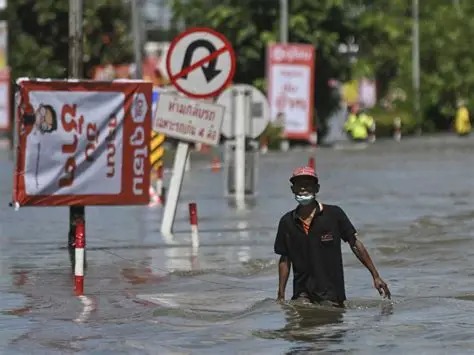
The World Health Organization (WHO) predicts that climate change will cause 250,000 additional deaths per year from malnutrition, malaria, diarrhoea, and heat stress between 2030 and 2050, with vulnerable populations—children, the elderly, and marginalized groups—bearing the brunt. Extreme events, from hurricanes to wildfires, bring direct risks while destabilizing food and water supplies, encouraging outbreaks of vector-borne and water-borne diseases, and worsening mental health through displacement and loss.
Biodiversity and Natural Systems in Crisis
Globally, biodiversity loss is accelerating, and climate change-induced disasters compound the crisis: tropical forests, coral reefs, and glaciers face existential threats. Recent research links ecosystem collapse and species extinction with record heat, erratic precipitation, and the spread of pollutants—compelling evidence for renewed conservation efforts and international collaboration to restore resilient habitats.
Economic Impact: The Cost of Inaction
The mounting economic toll of inaction has been outlined by updated climate risk indices for 2025—losses now routinely reach billions annually. Infrastructure is tested by rising sea levels, flooding, and fires, businesses face shaken supply chains, and agricultural yields drop due to shifting weather and water scarcity. Investments in climate adaptation and mitigation—renewables, efficient transport, resilient infrastructure—are increasingly seen as essential to safeguard global stability and prosperity.
The Latest Research: Global Trends and Regional Shifts
Recent climate models forecast wetter conditions for northern Europe and Siberia, drier years across the Amazon Basin, and continued unpredictable weather for South Asia. These regional variations demand flexible, targeted responses, from advanced forecasting tools and adaptive infrastructure to community-driven sustainability planning. New studies also emphasize the link between coastal flooding and large-scale migration, with as many as hundreds of millions potentially displaced by 2100. The search for solutions is leading researchers to explore carbon-capture technology, nature-based restoration (like mangrove regeneration), and more sustainable food systems.
Policy and Action: International Agreements
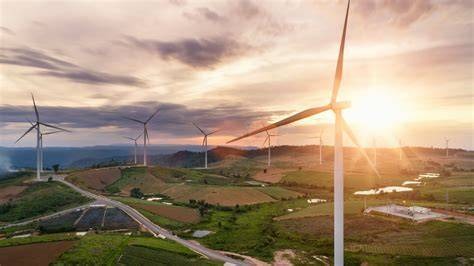
Urgent global action remains front and center, with the upcoming COP30 climate summit set to review new Nationally Determined Contributions (NDCs) under the Paris Agreement to limit warming to below 2°C. The scientific community stresses the need for transformational change, emphasizing that every fraction of a degree prevented means avoided disaster and preserved lifelines. Climate adaptation, mitigation, and resilience-building are core strategies moving forward—incorporating the latest research in science-based policy and transparent monitoring.
Best Practices for Climate Content
To engage and inform a global audience in 2025, climate-focused content requires smart SEO tactics:
-
Strategic keywords like “2025 climate change research,” “global warming impact,” and “climate risk index 2025” are woven into headlines, meta descriptions, and structured data.
-
LSI phrases—such as “rising sea levels,” “renewable energy adoption,” and “extreme weather events”—improve AI-driven discoverability and topical relevance.
-
Comprehensive summaries with cited figures, tables, and graphics enhance usefulness for both readers and search algorithms.
-
Clear subheadings and natural, conversational copy help translate scientific findings for a wider audience.
Path Forward: Empowerment Through Knowledge
A straightforward fact is reaffirmed by each new climate study: time is of the essence, but transformative action is still feasible. Accurate reporting and compelling storytelling are the first steps toward equitable adaptation, emission reduction, and societal resilience. Decisions made today will shape life on Earth for centuries, whether they are made by individuals or nations.
Humanity is at a turning point in 2025, facing the common effects of climate inaction while also armed with new knowledge and more potent instruments. The secret to preventing catastrophe and opening the door to a prosperous, sustainable future for everybody is teamwork, supported by common knowledge and unrelenting innovation.