




Home Loan Balance Transfer 101: How it Works and Why it Matters: For most people, a home loan is the single largest financial commitment of their lifetime, often stretching across 15, 20, or even 30 years.
 As housing loans run for such extended periods, even minor adjustments to your borrowing terms can dramatically alter your long-term financial health. Many homeowners mistakenly believe that once they sign their initial loan agreement, they are locked into those specific terms forever.
However, market dynamics change, economic policies shift, and your personal financial profile fluctuates over time.
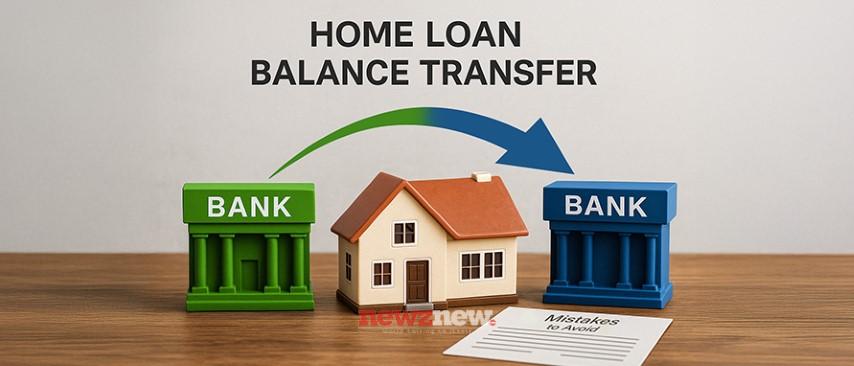
A home loan balance transfer allows you to adapt to these changes by moving your remaining principal debt from your current financial institution to a new lender offering more competitive terms.
This blog explains what the mechanics of this process are and why it is so important.
How a Home Loan Balance Transfer Works
When you decide on a home loan balance transfer, your new lender settles the outstanding principal with your existing lender, effectively refinancing your current home loan. Once the old account is closed, your legal debt obligation shifts entirely to the new institution under a brand-new agreement.
To cater to different borrower profiles and streamline processing times, financial institutions generally categorize applications into two primary operational pathways. The specific track you qualify for depends on whether the underwriting relies on your established credit behavior or a fresh evaluation of your current income streams.
- Express BT: This automated, high-velocity track approves your home loan balance transfer primarily based on your clean, established credit history and timely repayment track record. If you have consistently paid your EMIs without default, the new lender fast-tracks your application by trusting your proven financial discipline rather than demanding exhaustive underwriting.
- Normal BT: This standard track establishes your home loan balance transfer eligibility through formal, traditional underwriting. The lender performs a deep dive into your ongoing income statements, employment stability, and debt-to-income ratios to verify that your financial capacity matches their specific risk parameters.
Why It Matters: The Power of Long-term Financial Importance
Understanding why a home loan balance transfer is important helps you look past technical jargon and focus on the direct, real-world financial advantages. This shift is not just a routine administrative update; it is a profound financial realignment that fundamentally impacts three major areas of your economic life.
-
Massive Compounding Interest Savings
As housing loans run for decades, interest costs heavily dominate the early years of your repayment schedule. Even a fraction of a percentage drop in your interest rate chips away at your compounding interest, ensuring thousands of dollars stay in your bank account instead of going to the lender.
For example, on a large outstanding principal, reducing your rate by a mere 0.50% can save you an enormous amount of money over the remaining life of the loan. This direct optimization of your debt portfolio is the single most compelling reason to initiate a switch.
-
Immediate Monthly Cash Flow Relief
Your monthly repayment directly dictates your household budget, determining how much capital you can allocate toward savings, lifestyle choices, or other investment vehicles. Moving your mortgage to a lower-rate lender drops your monthly payment amount, which instantly frees up monthly capital.
This structural relief provides immediate breathing room in your monthly cash flow, making it simple to handle daily living expenses, manage unexpected financial emergencies, or build an investment portfolio without feeling restricted by housing costs.
-
Total Control Over Your Debt Timeline
A home loan balance transfer grants you a rare opportunity to completely redefine your debt schedule according to your current lifestyle goals. If your income has grown since you first took out the mortgage, you can choose to shorten your loan tenure.
This allows you to pay off the principal faster and become entirely debt-free years ahead of schedule. Conversely, if your current financial priority is maximizing immediate household breathing room, you can choose to extend the timeline to bring your immediate monthly obligations down to a highly manageable baseline.
The 3-Step Transfer Process
Executing a home loan balance transfer is a straightforward, highly digital process if you prepare your compliance and ownership paperwork in advance.
-
Digital Application
Submit your personal profile, identification details, and existing mortgage statements online to initiate the formal balance transfer evaluation.
-
Document Submission
Provide your digital identity proofs, official income verification papers, tax statements, and complete legal property titles to the new lender for verification.
-
Verification and Disbursal
The new institution reviews your documents, coordinates with your old lender to secure the property title deeds, closes your old account, and takes over your outstanding balance seamlessly.
To avoid processing delays or losing your non-refundable application fees, ensure your PAN, tax records, GST records (if self-employed), and original property papers are fully aligned and updated before initiating the transfer.
Take Control of Your Home Loan with a Smart Balance Transfer
By reviewing your existing loan and exploring better lending options, you can reduce your interest costs or shorten your repayment term.
Housing finance companies like ICICI HFC offer home loan balance transfer solutions designed to help eligible borrowers manage their loans more efficiently. A timely balance transfer can also free up funds for other important financial goals without compromising your homeownership journey.
Taking a proactive approach to your loan gives you greater control over your finances, reduces long-term borrowing costs, and strengthens your overall financial future with greater confidence and stability.