






Contents
- 1 Unpacking the Criticism: How Kantara Portrays Women
- 2 Rishab Shetty’s Defense: Storytelling, Context, and Societal Reflection
- 3 Fairness in Direction: Women as Central, Not Peripheral
- 4 Public Reaction: Dialogue and Division
- 5 Industry-Wide Perspective: Cinema as Reflection, Not Prescription
- 6 Maximizing Discoverability with Rich, Conversational Content
- 7 Toward More Thoughtful Representation
The blockbuster “Kantara” franchise, helmed by Rishab Shetty, is celebrated for its rich storytelling and spiritual depth—yet, it has not escaped controversy regarding the portrayal
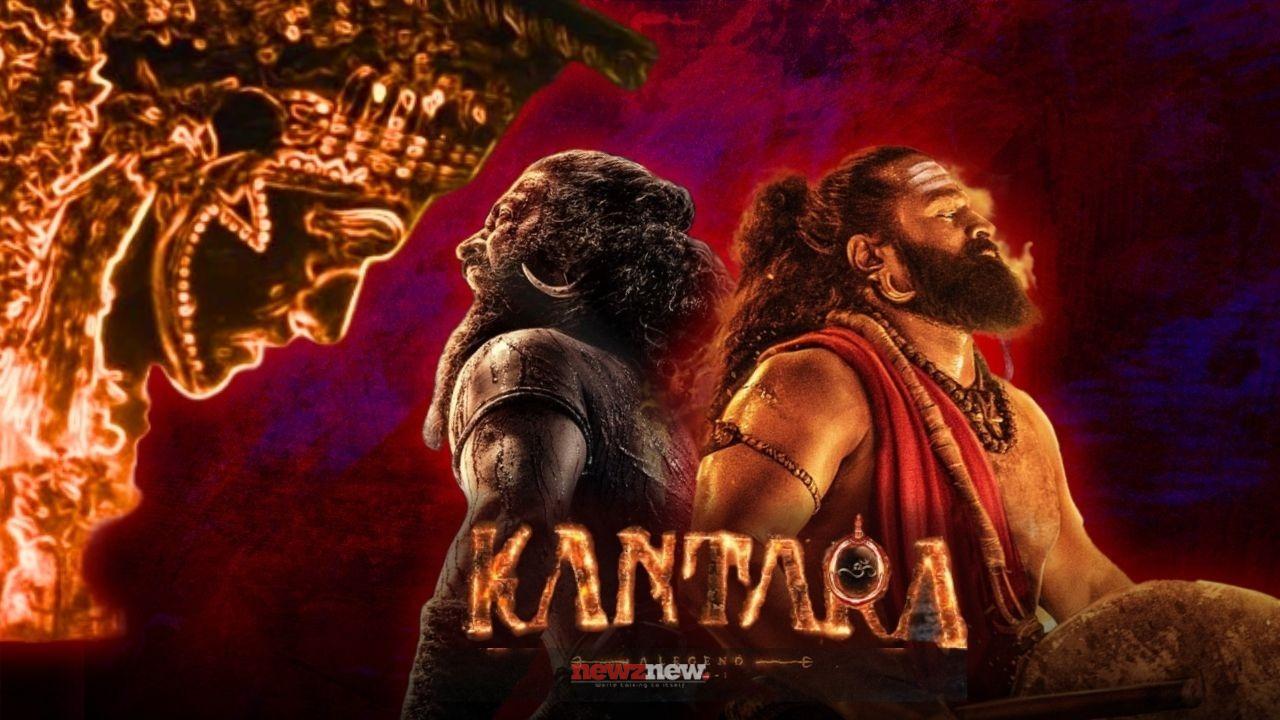
of women on screen. With criticism swirling around select scenes and character arcs, particularly regarding fairness and direction, Rishab Shetty’s recent response offers insight into the cinematic choices and public sentiment enveloping the Kantara universe.
Unpacking the Criticism: How Kantara Portrays Women
The seeds of criticism were planted with the release of the original “Kantara” in 2022, when viewers pointed to scenes considered misogynistic and questioned the passivity of central female characters. The most widely debated moment features Shiva, played by Rishab Shetty, pinching the waist of his love interest without consent—a scene that triggered backlash for its portrayal of problematic male behavior. Critics argued that such acts, when performed by protagonists, risk normalizing disrespectful conduct.
Simultaneously, some commentators felt the Kantara universe appeared overwhelmingly male-centric, relegating women’s roles—or their presence—to the margins of the mystical and rural narrative. This prompted discourse about gender representation and fair storytelling in Indian cinema.
Rishab Shetty’s Defense: Storytelling, Context, and Societal Reflection

Addressing the criticism, Rishab Shetty has consistently maintained that the narrative and direction of Kantara are deeply rooted in authentic depictions of society and folklore. Responding in interviews and at public events, Shetty clarified that Shiva’s flaws, including the infamous scene, were written deliberately to spark discomfort—his character’s journey is both hero and villain, and is designed to evolve through confrontation and enlightenment rather than glorification. In Shetty’s words, “Cinema reflects society. Some of it is positive, some negative. We present everything, and it’s up to the audience how they perceive it.
Shetty emphasized that filmmakers cannot—and should not—alter a story’s spirit to appease public opinion if it compromises the narrative’s authenticity. He explained that cinematic liberty lies in portraying truth, whether pleasant or uncomfortable, giving audiences the space to interpret, reflect, and discuss these themes.
Fairness in Direction: Women as Central, Not Peripheral
Countering claims that Kantara’s universe is a “man’s world,” Rishab Shetty pointed to the prominence of female characters in his films, including Shiva’s mother and other pivotal roles. Shetty notably highlighted the importance of Manasi Sudhir’s portrayal of the mother—a character crucial in both emotional depth and the climactic spiritual dance ritual. “Her role was integral, especially in the climax when the dance ritual unfolds. She was an integral part of the story,” he commented.
Shetty further claimed that his writing and direction have consistently placed strong female characters at the forefront, not only in Kantara but in his wider filmography. He described Rukmini Vasanth’s character, Kanakavathi, in “Kantara: Chapter 1” as similarly strong, crafted with agency, complexity, and influence. “I think I justify my female characters even in a film where the story revolves around a man,” he asserted—a statement supported by actresses who praised the depth and agency granted to their roles.
Public Reaction: Dialogue and Division
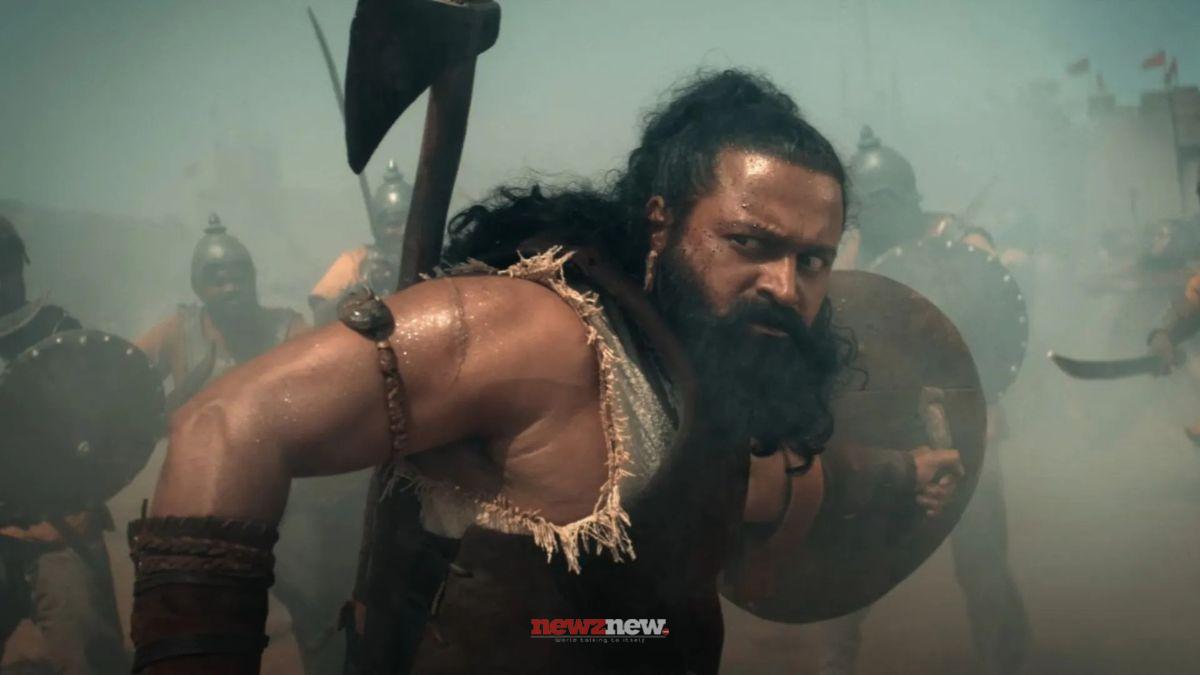
Shetty’s response has struck a chord across social media and film discourse. While some fans defend Kantara’s narrative choices—arguing that authenticity in storytelling necessitates the portrayal of both virtuous and flawed behavior—others remain critical, calling for more nuanced and empowering depictions of women.
The actress Rukmini Vasanth defended Shetty’s direction, emphasizing that Kanakavathi and the mother’s characters embody feminine power and agency within the Kantara universe, encouraging more dialogue on these complex themes. The ongoing debate, amplified by Kantara’s box office success and global reach, has deepened public engagement with gender representation in cinema.
Industry-Wide Perspective: Cinema as Reflection, Not Prescription
Shetty’s stance echoes broader discussions in the film industry about responsibility, representation, and creative freedom. He likened cinematic stories to mirrors of reality—containing both the light and dark, and argued against sanitizing narratives purely for social comfort. Other filmmakers have joined this debate, with references to similar criticism faced by movies such as “Animal” by Sandeep Reddy Vanga. According to Shetty, films are platforms for both catharsis and confrontation, with character flaw serving as a catalyst for growth or change.
Importantly, Shetty’s explanations underscore a philosophy: that uncomfortable moments are meant to challenge viewers, not to condone negative behavior, but to illustrate personal transformation across a character arc.
Maximizing Discoverability with Rich, Conversational Content

To rank highly for keywords like “Kantara actor response to criticism over portrayal of women,” this article integrates related searches, topical phrases (“fairness in direction,” “public reaction to Kantara,” “women in Kantara story”), and strategically linked subheadings. Rich context, direct quotes, and reference to real-time events and interviews all contribute to search engine relevance and readability. By using natural language, storytelling flow, and clear explanations, the content is designed for deep audience engagement—appealing to both AI and human search preferences.
Toward More Thoughtful Representation
“Kantara actor response to criticism over portrayal of women” reveals not just a director defending his narrative, but an ongoing dialogue about the complexity of storytelling, the responsibility of filmmakers, and the ever-evolving expectations of contemporary audiences. As cinema continues to navigate the interplay of tradition, societal change, and individual agency, one thing remains certain—the conversation itself moves the industry forward. Whether one agrees with Shetty’s defense or not, the impact of Kantara is undeniable: it has started difficult discussions and encouraged a broader reflection on fairness, character transformation, and the portrayal of women in Indian cinema.

