



Contents
- 1 The Rising Tide of Mental Health Awareness
- 2 Early Intervention and Youth-Centered Care
- 3 Digital Innovations and AI-Powered Tools
- 4 Holistic Approaches: Mind-Body Practices
- 5 Gut-Brain Research and Lifestyle Guidance
- 6 Combating Loneliness in a Digital Age
- 7 Practical Tips for Nurturing Mental Health in 2025
- 8 Empowering Action: Investing in Brain Health
- 9 Final Thoughts
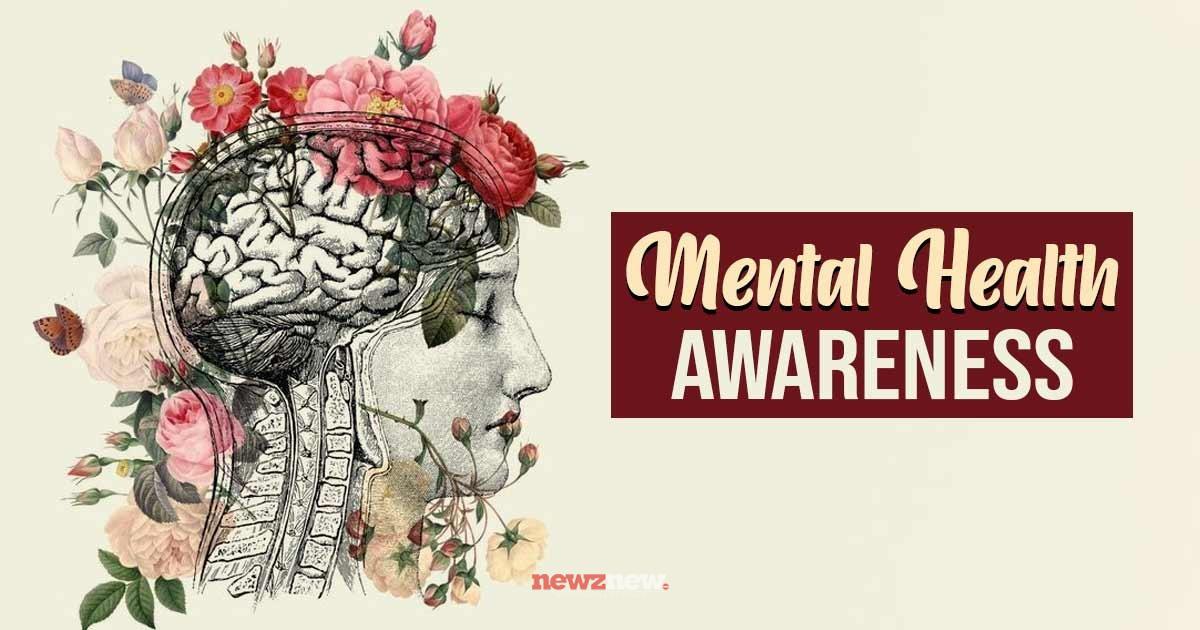
Mental health awareness remains a global imperative in 2025, with new research, technology, and holistic practices reshaping how individuals and societies approach well-being. As more than a billion people worldwide live with mental health conditions, this year’s advances emphasize prevention, accessibility, and personalization—empowering everyone to nurture mental wellness proactively.

The Rising Tide of Mental Health Awareness
Mental health challenges like anxiety and depression affect a growing segment of the population and now represent both a public health and an economic emergency. The World Health Organization reports that over one billion people live with mental health disorders, costing the global economy trillions in lost productivity and care. In response, global efforts are shifting from crisis management to early intervention, self-care, and community-driven support systems.
Early Intervention and Youth-Centered Care
Half of all mental health conditions emerge before age 14, yet most remain undiagnosed or untreated. Schools and youth programs have become frontline spaces for mental wellness. Emotional literacy, mindfulness, and mental health first aid are now core components of educational curricula in many countries, equipping young people with skills to recognize distress and seek help early. Predictive AI models and personalized therapy tools are being used to anticipate mental health risks, making care more proactive and tailored to individual needs.
Digital Innovations and AI-Powered Tools
Digital therapeutics, AI-driven apps, and virtual reality are revolutionizing how mental health care is accessed and delivered. Tools such as chatbot counselors, VR environments for anxiety relief, and real-time tracking of mood and triggers have made therapy available 24/7, overcoming barriers of geography and stigma. These technologies bring confidential support to individuals who previously lacked access, democratizing mental health care globally.
Holistic Approaches: Mind-Body Practices
Mental wellness in 2025 is growing increasingly holistic. Mind-body therapies—yoga, resistance training, and mindfulness—are core elements of mental health programs. Evidence shows these practices not only alleviate symptoms but improve sleep, enhance cognitive functioning, and foster emotional resilience. The integration of physical activity with mental health support is becoming common in wellness centers, workplaces, and hospitality.
Gut-Brain Research and Lifestyle Guidance
Scientific breakthroughs have confirmed the deep connection between gut health and mental wellness. Research into the microbiome’s impact on mood and cognition has led to new dietary guidelines and interventions for mental health, ensuring that nutrition becomes part of the broader strategy for well-being.
Combating Loneliness in a Digital Age
Despite pervasive digital connectivity, youth loneliness remains a critical concern. Conscious social living—peer support programs, nature-based therapy, and digital detox initiatives—are being emphasized to rebuild authentic human connections and combat this modern epidemic.
Practical Tips for Nurturing Mental Health in 2025
To foster resilience and well-being, experts recommend these actionable strategies:
-
Declutter living spaces to reduce cognitive overload and enhance productivity.
-
Prioritize regular exercise, which boosts mood, alleviates anxiety, and supports brain health—even modest activity like walks or yoga.
-
Practice mindfulness and meditation to break cycles of negative thoughts and cultivate emotional balance.Maintain a healthy sleep routine for emotional regulation and cognitive functioning; avoid screens before bedtime and create a restful environment
-
Spend time in nature to lower stress and improve overall well-being.
-
Repeat positive affirmations and focus on self-compassion
-
Unplug from digital distractions and nurture real-life relationships.
-
Schedule therapy or counseling sessions, even if only for routine check-ins.
-
Establish self-care goals and make mental health a conscious daily priority.
-
Support others by initiating meaningful conversations and fostering empathy.
Empowering Action: Investing in Brain Health
Global leaders now recognize that underinvesting in mental health not only reduces quality of life but also undermines economic prosperity. Policies in 2025 emphasize equitable access, rights-based care, and strategic investments in mental health infrastructure, research, and technology. By doing so, societies aim to reduce stigma, increase treatment availability, and unlock human potential for generations to come.
Final Thoughts
Mental health awareness in 2025 embodies a new era of understanding, compassion, and innovation. By leveraging holistic care, technology, and early intervention, individuals and communities can rewrite the narrative—from crisis management to thriving resilience. Prioritize mental wellness each day and encourage others to do the same, forging a brighter, healthier future for all.