



Contents
- 1 1. The Type of Cover You Choose
- 2 2. IDV value: The Anchor for Payouts and Pricing
- 3 3. Your Car’s Profile: Age, Model and Fuel Type
- 4 4. Where and How you use the car
- 5 5. Your Choices and History: Add-On Covers, Deductibles and Claims
- 6 Innovative Ways to Pay Less Without Cutting Real Coverage
- 7 Third Party or Comprehensive: Which Suits You?
- 8 Final Thoughts
What Really Decides Your Car Insurance Price: Breaking Down the 5 Factors That Matter Most: Ever noticed two near-identical cars attracting different premiums? In India, your car insurance price is shaped by a handful of practical factors, from the cover you pick to how and where the car is used.
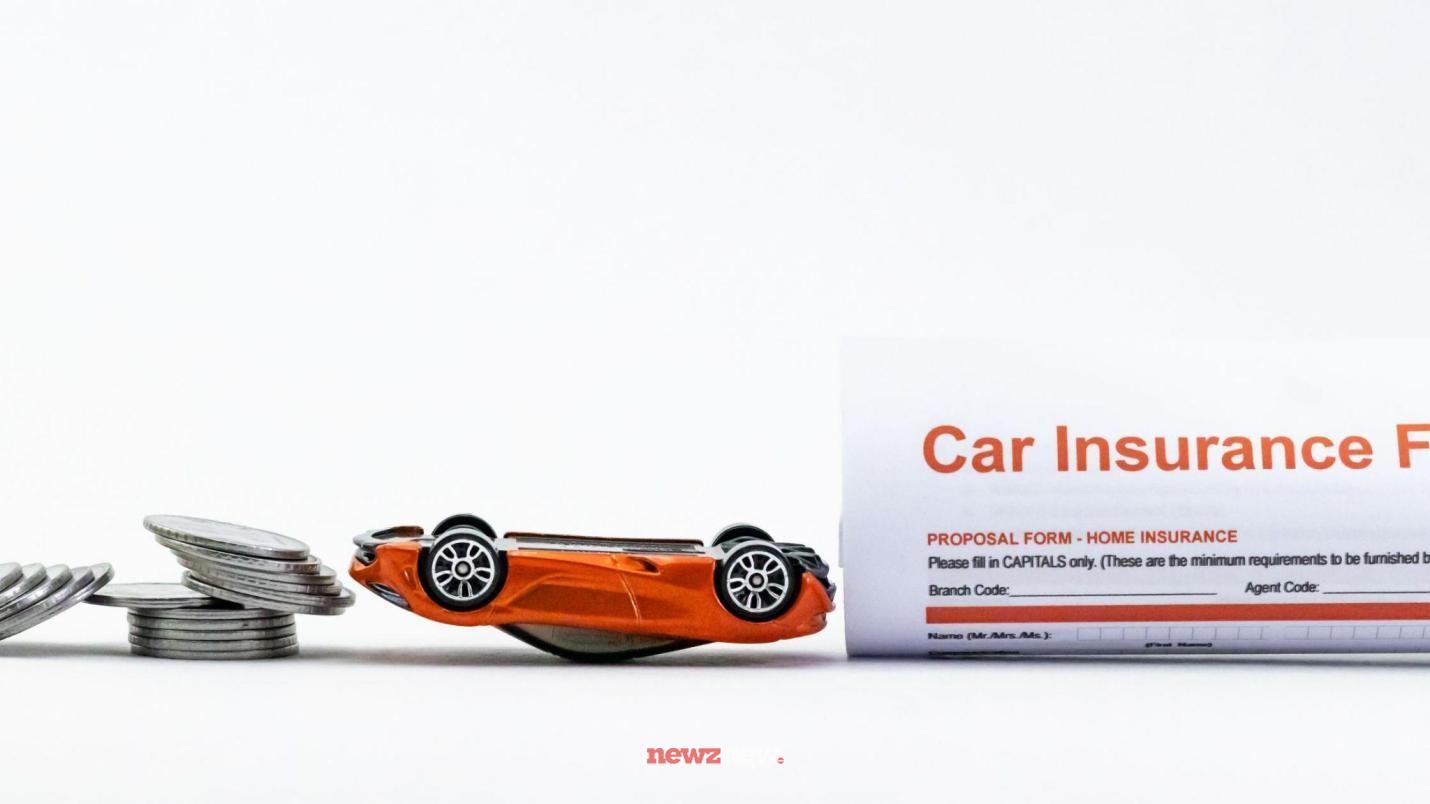 Knowing these five levers helps you tune your policy for better value without trimming essential protection.
A comprehensive policy goes further by adding its own damage cover for risks such as accidents, theft, fire, and natural calamities. That broader safety net typically costs more, but it’s the first and often most significant factor that influences what you pay.
1. The Type of Cover You Choose
Third-party cover fulfils the legal requirement and only looks after liabilities towards others. A comprehensive plan includes third-party plus own damage cover, so your car is protected against insured perils too. Naturally, comprehensive policies cost more than a bare-bones third-party plan because they insure more risks.
Good to Know
- Third party keeps you road-legal.
- Adding your own damage cover brings peace of mind for your car, not just others.
2. IDV value: The Anchor for Payouts and Pricing
Your IDV value (Insured Declared Value) is an insurer’s view of your car’s current market value after age-related depreciation. It also represents the maximum liability under a total loss or theft claim.
A higher IDV usually means a higher premium, while a very low IDV can leave you under-insured at claim time. The sensible approach is to keep IDV aligned with realistic market value rather than chasing a rock-bottom premium.
3. Your Car’s Profile: Age, Model and Fuel Type
Insurers look at the vehicle itself. As a car ages, depreciation rises and IDV falls, which can reduce the premium. Make and model matter because some parts cost more to repair or replace. Fuel type plays a role, too; specific fuel systems can carry different repair costs, which flow into pricing.
What This Means in Practice
- Recent models with pricier parts can cost more to insure.
- Older vehicles may be cheaper to cover, but check whether the cover still suits how you use the car.
4. Where and How you use the car
Your location affects risk. Busy urban zones, theft-prone pockets, or areas with higher vandalism risk tend to see higher claims exposure, which can push the car insurance premium factors up. Where the vehicle is usually parked and the typical driving environment both come into play.
Simple Rule
- Higher exposure to day-to-day risk generally nudges the car insurance price upward.
5. Your Choices and History: Add-On Covers, Deductibles and Claims
Three levers here can move your premium in opposite directions:
- Add-on covers (for example, zero depreciation or roadside help) expand protection and usually add a little to the premium. Pick the ones you will actually use.
- Voluntary deductibles let you share a defined portion of future claim costs, and in return, insurers may reduce your premium. Choose an amount you can comfortably afford during a claim.
- No Claim Bonus (NCB) rewards a claim-free year with a lower renewal premium. A tidy driving record can make a visible difference over time.
Innovative Ways to Pay Less Without Cutting Real Coverage
Use these calm, practical moves to keep value high and waste low:
- Renew on time to keep your NCB intact. A lapse can reset hard-earned benefits, which then raises what you pay next time.
- Install safety devices like approved anti-theft or anti-lock systems where relevant. Insurers view well-protected vehicles more favourably.
- Match IDV to reality. Understating IDV just to trim the premium can make a total loss settlement fall short. Overstating can bloat the price.
Third Party or Comprehensive: Which Suits You?
If you simply need to meet the legal requirement and your car is very old or rarely used, third-party car insurance may suffice. If you want the reassurance that your own car is covered for insured perils, a comprehensive policy with own damage cover is the more rounded option. The right pick depends on how much risk you are willing to carry yourself and how you value the car.
Final Thoughts
Your car insurance price is not a mystery. It reflects the cover you select, the IDV you set, the kind of car you drive, where it lives, and the way you shape the policy with add-ons, deductibles, and claims behaviour.
Treat the policy like a toolkit: start with the legally required base, then add or remove pieces so the result fits your car and your budget without leaving gaps that come back to torment you later.