



Contents
- 1 1. Reduce Single-Use Plastics
- 2 2. Embrace Minimalism and Conscious Consumption
- 3 3. Start Composting at Home
- 4 4. Choose Sustainable Transportation
- 5 5. Save Energy with Smart Home Choices
- 6 6. Conserve Water Wisely
- 7 7. Practice Zero-Waste Habits
- 8 8. Grow Your Own Food or Herbs
- 9 9. Advocate and Educate
- 10 10. Set Realistic Goals and Track Your Progress
- 11 Why Sustainable Living Matters in 2025
In 2025, living sustainably is more important—and more achievable—than ever before. This step-by-step guide will help you adopt eco-friendly habits that reduce your environmental

impact while improving your lifestyle. Sustainable living isn’t about drastic changes overnight, but about simple, intentional choices that add up to a healthier planet and a happier you.
1. Reduce Single-Use Plastics
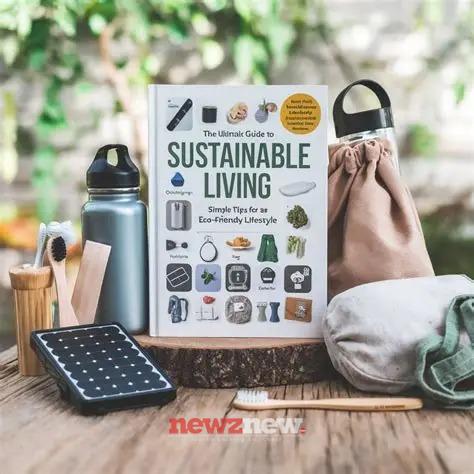
Single-use plastics contribute massively to pollution and landfill waste. Make 2025 the year you ditch plastic bags, straws, bottles, and packaging. Opt instead for reusable alternatives like cloth bags, stainless steel bottles, and glass containers. These small swaps reduce your plastic footprint significantly over time.
2. Embrace Minimalism and Conscious Consumption
Prioritize quality over quantity. Declutter your space by donating or recycling items you no longer need. When shopping, ask: “Is this necessary? Is it ethically made? Will it last?” Supporting sustainable brands encourages ethical production and reduces waste.
3. Start Composting at Home
Composting organic waste not only cuts down landfill contributions but also creates rich soil for your garden. Setting up a small compost bin—indoors or outdoors—is easy and effective for food scraps, coffee grounds, and yard waste.
4. Choose Sustainable Transportation
Reduce your carbon footprint by walking, cycling, carpooling, or using public transit. If upgrading your vehicle, consider electric or hybrid options. Sustainable travel improves air quality and reduces greenhouse gas emissions.
5. Save Energy with Smart Home Choices
Switch to energy-efficient LED bulbs and appliances. Use programmable or smart thermostats to optimize heating and cooling. Whenever possible, power your home with renewable energy sources like solar panels or participate in green energy programs.
6. Conserve Water Wisely
Install low-flow showerheads and faucets. Fix leaks promptly and collect rainwater for irrigation. Mindful water use helps preserve a critical resource and lowers your utility bills.
7. Practice Zero-Waste Habits
Carry reusable water bottles, coffee cups, and shopping bags. Buy in bulk to minimize packaging waste. Avoid disposable items and embrace reusable cloths instead of paper towels.
8. Grow Your Own Food or Herbs
Even a small balcony garden with herbs and vegetables reduces packaging, transportation emissions, and connects you with your food source. Gardening also promotes mental wellness.
9. Advocate and Educate
Stay informed on sustainability issues and share knowledge with your community. Support local eco-friendly policies and businesses. Collective action amplifies individual efforts.
10. Set Realistic Goals and Track Your Progress
Start with manageable changes and celebrate small milestones. Use apps or journals to track your eco-friendly habits and look for new ways to improve. Sustainable living is a journey, not a quick fix.
Why Sustainable Living Matters in 2025
Our planet faces unprecedented environmental challenges—from climate change to pollution. By adopting sustainable habits, each of us can help protect natural resources, reduce waste, and lower greenhouse gas emissions. These actions foster healthier ecosystems, improve quality of life, and preserve the Earth for future generations.
Sustainable living in 2025 is about practical, impactful steps embedded in daily life. No one expects perfection; even small consistent actions matter. Whether reducing plastics, saving energy, or growing your own food, your choices make a difference. Start today and join millions globally working toward a greener, more resilient future.