



AI SEO Services for D2C Brands: What Changes When AI Starts Recommending Products?: Indian D2C brands are expanding across metros, smaller cities, marketplaces, social platforms, and direct channels. India’s D2C market is projected to reach US$60 billion by 2030, with Tier 2 and Tier 3 cities expected to contribute nearly 66% of new D2C orders in FY26.
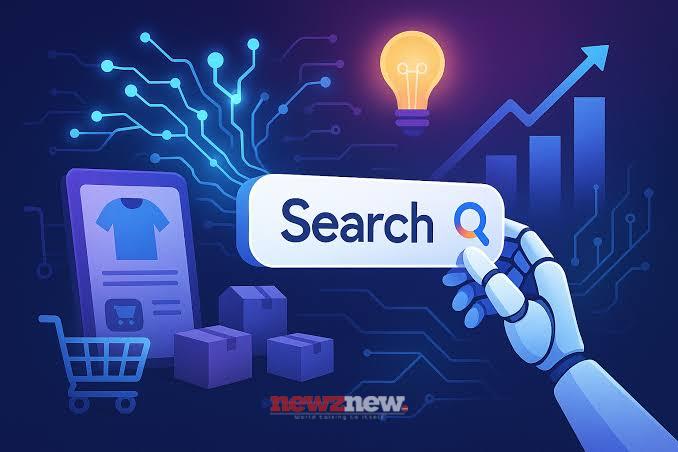 This expanding market is creating a larger opportunity for AI SEO services, as product discovery increasingly moves beyond conventional search results. India’s wider e-commerce market is projected to reach US$345 billion by 2030, with AI-powered shopping assistants and conversational commerce contributing to changing discovery and purchasing experiences.
For D2C brands, this means products need to be easy for AI systems to discover, understand, compare, and surface. Search strategy must therefore account for product information, conversational intent, authority, and AI visibility alongside traditional rankings.
How AI Recommendations are Changing D2C Search
Traditional search usually gives consumers several pages to evaluate before making a decision. AI-led discovery can compress this process by interpreting detailed requests and presenting relevant products or recommendations.
| Traditional Search | AI-led Product Discovery |
| User Searches Keywords | User describes a specific need |
| Search Engine Returns Pages | AI interprets the request |
| User Compares Products | AI can summarize relevant options |
| Brands Compete For Rankings | Brands compete for inclusion |
| User Visits Multiple Pages | AI may synthesize information first |
This changes what D2C brands need from their digital presence. Product information, reviews, specifications, pricing, use cases, and supporting evidence must remain clear and accessible.
AI SEO services help brands respond to this shift by optimizing content around product intent, conversational queries, technical accessibility, and AI visibility. Instead of treating AI discovery as a separate channel, brands can extend existing SEO foundations to support these emerging experiences.
Why Product Authority Matters in AI Recommendations
AI recommendations need supporting information. A product page alone may not provide enough context for an AI system evaluating competing brands.
D2C brands can strengthen their wider authority through:
- Independent product reviews
- Expert commentary
- Industry publications
- Relevant editorial mentions
- Customer experiences
- Consistent product information
- Credible third-party references
The objective is not to manufacture mentions. It is to create a consistent digital footprint where product claims, specifications, and brand information remain accurate across credible sources.
Answer engine optimization services can complement this work by structuring content around direct questions and decision-making needs. For Indian brands, working with an SEO agency in India can also help connect these requirements with local search behavior, category competition, and the country’s rapidly expanding digital commerce ecosystem.
What AI SEO Services Change for D2C Brands
AI SEO services extend conventional optimization toward how AI systems interpret consumer intent and product information. The focus moves beyond individual keywords toward questions, product attributes, use cases, and conversational search behavior.
-
Map Keywords to Real Product Intent
Consumers rarely describe their needs using one standardized search phrase. Someone looking for skincare might ask for a moisturizer for sensitive skin, ingredients, budget, and preferred texture.
AI-powered keyword analysis can group these variations by intent, topic, and commercial opportunity. This allows D2C teams to connect broad keywords with long-tail questions and product-specific needs.
The resulting strategy can support comparison pages, buying guides, FAQs, category pages, and product content around actual consumer requirements. AI SEO services can also help prioritize opportunities based on competitive gaps and emerging search patterns.
-
Make Product Information Easy to Interpret
AI systems need clear information before accurately representing a product. Product pages should explain specifications, ingredients, dimensions, compatibility, pricing, availability, and use cases without unnecessary ambiguity.
AI SEO services can strengthen this foundation through structured headings, concise answers, FAQs, comparison tables, schema, and clearer product descriptions.
This approach also benefits human shoppers because the same information becomes easier to scan, understand, and compare.
-
Build Content Around Conversational Queries
AI interfaces encourage consumers to ask longer and more specific questions. D2C brands should therefore anticipate questions surrounding a purchase rather than optimizing only product names.
Useful content can answer questions such as:
-
- Which product is suitable for a specific need?
- How does one variant compare with another?
- What ingredients or materials does it contain?
- Who should use or avoid the product?
- How should the product be used?
- What does the warranty or return policy cover?
This creates a broader information ecosystem around commercial pages while supporting different stages of the buying journey.
-
Strengthen the Technical Foundation for AI Discovery
AI visibility still depends on strong technical foundations. Important product and category pages need to remain accessible, indexable, internally connected, and understandable.
| Technical Area | D2C Priority |
| Crawlability | Keep important product and category pages accessible |
| Indexability | Prevent valuable pages from unnecessary exclusion |
| Structured Data | Clarify products, offers, reviews, and organizations |
| Internal Linking | Connect categories, products, guides, and supporting content |
| Page Experience | Maintain fast, usable shopping journeys |
| Mobile UX | Support India’s mobile-heavy digital audience |
For large D2C catalogs, AI SEO services can use intelligent technical auditing to identify and prioritize issues across hundreds or thousands of URLs.
This includes structured data gaps, internal linking opportunities, indexability problems, page performance issues, and content inconsistencies. AI-assisted auditing can help teams focus resources on issues with greater potential impact.
Measure Visibility Beyond Traditional Rankings
Traditional SEO metrics cannot fully explain whether a D2C brand appears inside AI-generated recommendations. Brands need additional measurements that reflect how AI systems represent their products.
| Metric | What it Shows |
| AI Mentions | How frequently the brand appears in generated answers |
| Citations | Which pages support AI-generated information |
| Prompt Coverage | Which consumer questions trigger brand visibility |
| Competitor Visibility | Which competing brands appear for similar prompts |
| Sentiment | How AI systems describe the brand |
| AI Referral Traffic | Which AI platforms send visitors to the website |
AI SEO services can incorporate these signals alongside conventional rankings, organic traffic, and conversion data. This creates a broader view of how consumers discover and evaluate products across search environments.
Tracking these signals can reveal content gaps that traditional rankings may overlook. It can also show where competitors receive stronger visibility across important product questions.
Build an AI-ready SEO Strategy for D2C Growth
AI is changing how Indian consumers discover and evaluate products, but strong search foundations still matter. D2C brands need technically accessible websites, accurate product information, useful content, credible evidence, and clear customer journeys across every discovery surface.
AI SEO services can bring these elements together through intent-based keyword intelligence, AI-focused content optimization, technical improvements, and ongoing visibility measurement. For Indian D2C brands, this approach can help connect traditional search performance with emerging AI-led discovery behavior.
AI SEO service providers like AdLift combine SEO expertise with AI-focused strategies to help brands strengthen visibility across traditional search and AI-generated answers. As AI becomes another route through which consumers research and compare products, optimizing for how these systems understand your brand can become an important part of sustained digital growth.